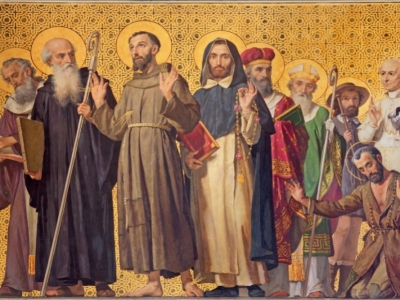
St. Patrick, the patron saint of Ireland, embodies the concept of “green martyrdom,” a term describing the quiet, daily sacrifices of faith rather than literal bloodshed. Kidnapped as a youth and sold into slavery, Patrick endured years of hardship in isolation, learning resilience, prayer, and dependence on God. His eventual escape and return to Ireland as a missionary required not only courage but sustained spiritual fortitude, preaching the Gospel amidst pagan opposition and harsh environments.
Unlike traditional martyrdom, green martyrdom is lived in perseverance, prayer, and the patient transformation of hearts over time. Patrick’s commitment to conversion, education, and pastoral care often demanded personal discomfort, fasting, and long journeys into hostile territories—sacrifices that mirror the Sorrowful Mysteries in miniature. By teaching the Irish people and establishing churches, Patrick exemplified how faithfulness can triumph without violence, showing that enduring suffering with hope and devotion is itself a form of witness.
In contemporary reflection, green martyrdom inspires believers to embrace the quiet crosses of daily life—self-denial, patience, and service—as opportunities to participate in Christ’s redemptive work. St. Patrick’s legacy demonstrates that holiness often grows not in dramatic acts but in steadfast, faithful endurance.